[00:00:08] Speaker A: Good planets are hard to find out Temperate zones and tropic climbs and runs through currents and thriving seas Winds blowing through breathing trees and strong ozone and safe sunshine.
Good planets are hard to find. Yeah.
[00:00:35] Speaker B: Hello K SQUID listeners. It's every other Sunday again and you're listening to Sustainability Now, a bi weekly case Good radio show focused on environment, sustainability and social justice in the Monterey Bay region, California and the world. I'm your host, Ronnie Lipschitz. California has created a program called Transformative Climate Communities which according to the program website, empowers the communities most impacted by pollution to choose their own goals, strategies and projects to reduce greenhouse gas emissions and local air pollution.
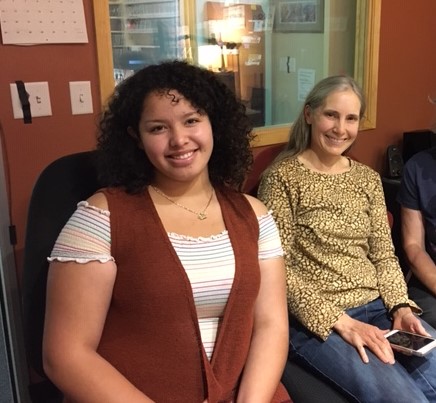
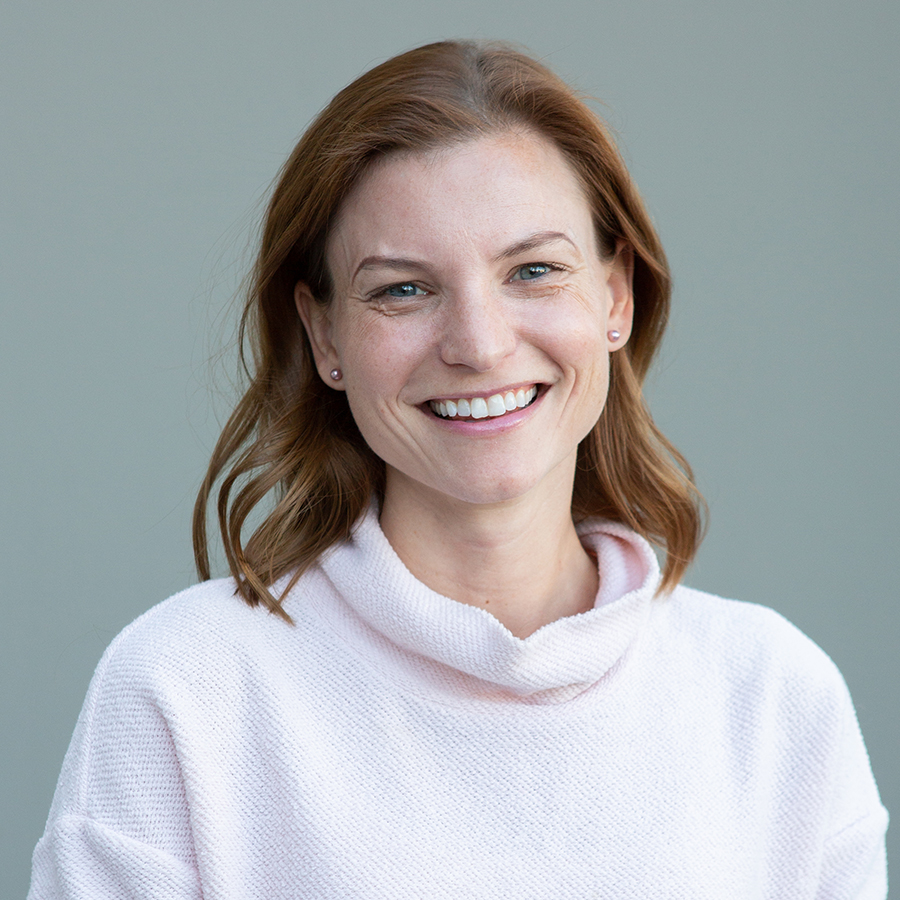
TCC is focused on making low income urban areas more resilient, efficient and responsive to housing, energy and climate challenges. What does this mean on the ground? My guests today are Nancy Falstich, Executive Director, and Eloy Ortiz, Special Projects Manager at Regeneration, which along with Monterey county received a TCC Planning grant in 2021. They've been leaders in this effort and we'll talk about the planning process and what happens next. Regeneration is a Pajaro Valley nonprofit that builds bridges between residents and climate practitioners in local cities, counties and at the state level. Nancy Falstich and Eloy Ortiz, welcome to Sustainability Now.
[00:01:52] Speaker A: Thank you so much for having us.
[00:01:55] Speaker C: Thank you. Thank you. Good to be here.
[00:01:57] Speaker B: Why don't Nancy, why don't you start by telling us about Regeneracion and what it does?
[00:02:02] Speaker A: Sure. So Regeneracion Paro Valley Climate Action formed with a group of community members around 2016 after operating kind of loosely in the area to start raising awareness about climate change and how it was affecting the Pajaro Valley.
And since then we've worked with many different partners and really have been focused on centering community voices in local decisions that we want to make the local policies and plans and projects from our region really relevant to and answering the needs and the desires of the people on the front lines of climate change here, which is a lot of the people in the agricultural community, low income communities, mostly Mexican heritage Spanish speaking communities. That's where we started. We've been delighted to again partner with cities and counties and many other organizations in the region to start working on actually making the transition off of fossil fuels and then helping our community adapt and become more resilient as the climate changes. As we speak, we are in a weird heat dome heat wave in winter. This is still winter, right?
[00:03:21] Speaker B: Hawaii is getting our rain. As it turns out, Rehan Racion and the Monterey county got a Transformative Climate Communities Planning grant in 2021. Can you tell us what the TCC program is, what it's trying to do, who's funding it, what's been happening with it?
[00:03:40] Speaker C: Sure. So the Transform Climate Communities program is funded through the Strategic Growth Council, which is the Governor's office at the State of California. And the goals of the program are really to reinvest into disadvantaged communities, uninvested communities, and build up infrastructure projects that can be leveraged to improve the environmental health, the health of community members and economic benefits for those communities, which again have been disadvantaged, have been uninvested, invested over time.
And the uniqueness of the project is that Transformer Climate Communities, I'm going to call it TCC for the rest of the interview because that's a lot easier. TCC really empowers communities, funds groups like us that can go into that, have existing relationships with both community members and other community partners and can really focus on what the community needs and wants and to identify or to make those connections between what the community needs and wants and greenhouse gas reduction projects that can be leveraged to again improve the health, wellness, security, safety of those communities.
[00:05:06] Speaker B: What are a few examples of the kinds of things that would do climate impacts or emissions?
[00:05:13] Speaker C: For this project we've done community engagement over time and again we're really focused on what the community wants and needs. And so things like housing, things like active transportation, which is like more bike lanes, or creating more resources for pedestrian safety such as street lights, such as safer crosswalks, crossing signs that more repainting and restructuring roads, access to parks and green spaces, access to healthy foods.
These are projects that the community wants and in turn can be used to reduce greenhouse gas emissions in the community.
So for example, if we're asking people to spend a little less time in their cars, we need to give them healthy and safe alternatives. We need to give them, we need to provide, for example, bike infrastructure resources. We need to provide healthy crosswalks, especially here in, in the Paharo area, which is where this planning grant is focused. There are people not following safe speeds on roads, fear of people not following signs of crosswalks, and quite frankly, there are faded crosswalks in a lot of places. So people in general are not comfortable walking to go to grocery stores, walking to go to public parks, letting their children walk to school in the morning and in the afternoo because of this lack of infrastructure for pedestrians.
Accessing parks or creating more access to parks and nature here in the area can help people staying out of Their cars and going to places like Santa Cruz, going to Monterey, to Monterey and you know, being able to relax and be access to open the environment here in their, in their own communities. And of course when we're talking about access to healthy foods, we're talking about a community that travels back and forth over the Pahoro river and you know, spending a lot of time in their cars. If they have more access to healthy foods in their own communities, can, can both be healthy as a community and as a, as individuals and as families and also reduce their time in cars.
So the greenhouse gas reduction, the greenhouse gas impacts in this local community will be reduced.
[00:07:51] Speaker B: Well, one of the requirements of the program, the TCC program is that it be focused explicitly on disadvantaged communities.
How are those defined? How are those identified? We know by sight and by sound hearing about it, you know, who is disadvantaged. But how do you specify this?
Because I know also that boundaries have to be specified pretty clearly. So what are the requirements?
[00:08:19] Speaker C: So for this project and for many grants across the state, the state does require that we use what's called the Calen VirusScreen website, CalenViroScreen tool. And right now they're in their fourth iteration of the Calen wirescreen tool.
And what that tool does is it aggregates a lot of the environmental impacts, a lot of the social impacts that are occurring in the area. They get a lot of their data from the census and from other departments who are collecting information.
This particular project, as I mentioned before, is unique as it is focused on a multi jurisdictional area. And just to be clear, when I say that, I mean that the planning area of focus is located both in the county of Monterey, Pajaro, the unincorporated county of Santa Cruz and then also parts of the city of Watsonville. So when we looked at the Cal Enviro screen data, we saw that the two census tract that make up the majority of the planning area focus are in the top 20% overall for the state in things like high pollution burdens, high exposure to diesel particulate matter, high exposure to pesticides, cleanup sites, high threats to drinking water and groundwater and lead from housing. So these are communities that have been highly impacted by pollution from many different elements, both transportation, agriculture and if you just go into Paco, some of the light industrial work that's done in the area.
And so these are communities that are, have this high burden. And this is the state's opportunity or this is an opportunity for, for the county of Monterey, for the city of Watsonville to invest back into these communities.
[00:10:23] Speaker B: So just to clarify Then so the enviroscreen looks at, at income, at ethnicity. Is that one of the considerations or is it defined otherwise? Language isolation, air pollution, water quality.
[00:10:38] Speaker A: It's really interesting to look at. If anybody in the audience wants to take a look at it again, you can search by put in a city, it'll go down to the census tract level and gives you a lot of different data, again by the census tract level. And it is very interesting to see different pockets in the state where they rank in terms of different kinds of pollution burden. Even things like exposure to lead in housing is included in there.
[00:11:07] Speaker B: Well, both Santa Cruz and Monterey counties are very diverse. The northern half of Santa Cruz county is quite wealthy, as is, I think the western part of Monterey County. Right. Monterey and Pacific Grove and the like. But the other parts are, are fairly, fairly poor.
[00:11:25] Speaker A: Right. It's one of the things that makes living around here so difficult for people because it, there's such a high cost of living and you have such very low income populations next to, you know, pretty middle or high income populations and drives the price of the housing up. And so for people on the lower end, it results in overcrowded conditions and lack of kitchen access and housing because people are living so close together and difficulties meeting basic needs. And again, this program can kind of holistically approach an area and meet some of those basic needs in a combination of projects that are vetted by the community, asked for by the community that will reduce greenhouse gases but also produce these, you know, multi benefits again of benefiting people's health and well being.
[00:12:15] Speaker B: Now you're listening to Sustainability. Now my guests today are Eloy Ortiz and Nancy Falstich, both from Rehana Racion in Pajaro Valley in Watsonville. And we're talking about Transformative Climate Communities program, which is a state program that's providing development funds essentially to low income and disadvantaged communities. And Reon in Monterey county received a planning grant in 2021 to develop a larger implementation grant. I'd like to ask you questions about the, the bigger implementation grants. They're up to what, $18 million or $20 million? Something like that?
[00:12:56] Speaker C: 30.
[00:12:56] Speaker B: 30 million?
[00:12:57] Speaker C: 30 million.
[00:12:58] Speaker B: So even more. But they require a dollar to dollar match. Right, so.
[00:13:02] Speaker C: Correct.
[00:13:03] Speaker B: The local community has to come up with the equivalent amount of money.
Can you tell us anything about any implementation grants that are being implemented, you know, and what they're trying to do?
[00:13:15] Speaker C: You mean, you mean in other communities?
[00:13:17] Speaker B: In other communities, yes.
[00:13:19] Speaker C: So over the summer I was lucky enough to visit the Stockton Stockton to meet a Few of the partners on their current implementation grant and their implementation grant was a little different because it was funded over, partially funded over two rounds. So it didn't receive $30 million at once. I think it received $20 million and then another portion. So they've been working on their implementation grant for I believe so four years.
Again their project was called Stockton Rising. I was lucky enough to Visit what's called McKinley park in the area. And so this was a park that was invested in and really, really developed to have more basketball courts. They created, they funded along with the city of Stockton, not just TCC that it was TCC dollars. And with city of Stockton dollars they created a new swimming and recreational space, a basketball space, soccer, a I believe a softball baseball field in, in this park which is, which is essential low income part of the the city.
The person we met there who is from the is from Catholic Charities. Catholic Charities actually has a environmental justice coordinator out there in Stockton walked us over to his, to his dad's dad's home which was just a couple blocks away from McKinley Park.
And at the home the TCC program also funded residents installation of solar panels and a backup battery at at for res for specific residents. And luckily enough the father of this person qualified for those resources.
We're also able to visit a charging station hub located by by one of the local middle schools out there in Stockton. And again these resource. I don't know Stockton very well, but these resources are invested in kind of the more disadvantaged disadvantaged census tract in the Stockton area.
Other projects happening in Stockton, there was greenhouse gas reduction.
There was workforce development for youth and formerly incarcerated individuals, energy and water efficiency appliances.
I was able to visit Manila Rising, which is the workforce development element of this grant which had done urban greening.
They've planted 1750 new street trees.
And then reading from some of the Stockton website, they've also supported in distributing 6520 basically boxes of food to families and school children.
And then they've transformed part of the downtown area connected to this community with bike lanes and sidewalks, walks and new canopy cover, among other things. There's a lot of other projects that were happening in the area, but TCC is really a suite of projects.
So no TCC program looks alike because there are 13 elements.
So again, when I say elements, that's like housing, that's active transportation, food, parks. Thirteen elements that a community can potentially apply for assistance with. So each community is just a little bit different.
[00:17:10] Speaker B: Now I'm curious, does the the program support economic development in the sense of new industries in these areas or is that not included?
[00:17:22] Speaker C: It is included. If it can be connected to greenhouse gas reduction and workforce development. I believe we can, I believe we can make the argument and potentially ask for funding for that. There's also, there is a anti displacement element. So we want to make sure that not only residents, but businesses as these communities are being redeveloped, that businesses, that residents are not priced out of their own communities as these resources that are invested in these communities to better them.
[00:18:04] Speaker A: And then kind of a through line throughout the project is that it all really needs to be community driven, that there needs to be really meaningful and equitable community engagement throughout the process, showing, you know, why are these projects being included and part of it, how are residents, you know, weighing in along the way? And that's one of the things that's differentiated this program from other types of funding opportunities is instead of just the cities and counties who develop their climate plans and then say, okay, this is what we're going to bring to an area.
This program is funds groups that really have participated.
[00:18:45] Speaker B: Just to note that under the now much reviled Biden administration, this, this notion of community engagement was central, I think to every, you know, grant making program.
And my observation was that people struggled mightily with trying to figure out how to do that, that it was not so easy.
And again, just a note that I, I did see something at one point about the Department of Energy funding research into how to engage communities that might be near nuclear waste repositories, which seemed to be a really, a really hard climb.
[00:19:27] Speaker A: Ronnie, if I can add just one thing to that. So this program, this California program actually was taken as a model under the Biden administration.
The EPA started a program that they called the Community Change Grants and they had 20 million implementation grants and then I think 1 to 3 million planning grants. And our area did apply and never got told if we were awarded or not because everything ended up pretty much being canceled. We know of some groups around the region that might actually get reinstated, but of course that's a whole other conversation and a big but. But this program was seen as a model and taken to the nation.
[00:20:11] Speaker B: Yeah, I actually was participating in a grant like that in Minnesota.
There was a first round just for, again for our listeners. There was a first round of, of projects that were funded.
The second one never made it past the submission stage because of the change in administrations. And then the Trump administration has tried to clawed back the money that was, that was provided to the those funded projects.
And I actually don't know what the status of those, those might be? Well, let's talk about your planning grant. Okay. In, in 2021, you got a $300,000 TCC planning grant, which was to do the groundwork for a much larger grant for an implementation grant.
How, how did that proceed? I mean, how did, first of all, how did you get involved in this planning process, you know, and who else was, was working on it? Nancy, I'll call on you, Nancy.
[00:21:10] Speaker A: Yeah, I can start with that.
So just to go again a little further back, before Rehan Atacion even formed as an organization in 2015 is when this transformative Climate communities program launched. And I heard about that and I was like, that's what I want to bring to Watsonville. It just sounded perfect. It sounded like just the right kind of thing. Of course, at that point we didn't have an organization. I didn't know what might be involved in, you know, going after this, these size grants, but had that in the back of my mind. And then I was fortunate. Along with another woman from our area, excuse me, Ileana Ortega Brunetti, we were both part of a program sponsored by the Strategic Growth Council called Partners Advancing Climate Equity. This was a cohort that met for a couple of years, mostly during the pandemic, incidentally, got connected to folks in Stockton and heard about their TCC project there. But coming out of that, the next round of funding was available and Ileana and I decided to explore. Ronnie came to an exploratory meeting. Back then, we met with various leaders and decided to put forward a proposal together with the county of Monterey. Who would be the lead on the proposal? The sustainability program at the county of Monterey. And again, as Eloy mentioned, this was pretty unusual to do a cross jurisdictional proposal.
Even doing anything in a rural area is still pretty new for the TCC program. I think one other place had been funded. But we met and met and met and worked on this proposal and got it in and we were so fortunate to be funded.
That's the beginning for me of a dream come true of many years of thinking about this type of funding.
Eli, maybe you can add in other partners and then kind of what happened right after we got the funding?
[00:23:12] Speaker C: Yeah, so the other partners on the application were the association of Monterey Bay Area Governments, Ecology Action and of course US Regeneration through our fiscal sponsor Community Initiatives. So we also had had other partner in kind partners, including the University of California's Department of Sustainability or UC Santa Cruz Department of Sustainability.
[00:23:42] Speaker B: And there's no, there's no Department of Sustainability I think it was oh, Sustainability office Sociology, I think. Oh, the sustainability office.
[00:23:49] Speaker C: Sustainability office. That's where Ileana was. Ileana.
Well, we can work with you on that.
And then we were actually funded a little bit by or received a small amount of funding by the EC Irvine Program called capeca, which is one second Community Academic Partnerships to Advance Equity Focused Climate Action, which provided a lot of resources and technical assistance in preparing community engagement type activities.
And so again we received this grant. I came on to rehearsal in November of 2022.
We were in contracting with the, or I should say county of Monterey was in contracting with the state.
Rihanna Arshon was in contracting with the county of Monterey.
And you know, come March 2023, which is about three years ago, there was a flood in, in the town of Pajaro, which of course is where this, this project is really centered.
So after the flood there were a series, the county of Monterey actually hosted a series of similar meetings, similar planning meetings to what we were planning to do in terms of engaging with community about what the needs community talking about infrastructure, talking about, you know, how to, how, how to use any funds from the State of California, from the state.
And then, you know, so we had to think about how to differentiate this project from, from what the county of Monterey was had hosted over a series of months in terms of community engagement, in terms of learning from the county of Monterey meetings about how residents wanted to be engaged with around the community's needs.
And so we were particularly sensitive to the impacts of the flood on both sides of the river. In Papara, of course, people's homes were flooded, they lost, they lost cars, they lost items in their household, personal items, expensive items, you know, and many of them will never be made whole by FEMA or any other organization. The loss is just a loss for this community, for community members. And on the Watsonville side, the Paharo flood really took out impacted agricultural work. And so people were hurting and are hurting still on both sides of the Pajaro River.
We just really had to be sensitive and sensitive to people's needs. We had to make sure that when we messaged about this project, that we messaged that it was a long term visioning project.
We wanted to make sure that, you know, even though we were working with the county of Monterey on this project, that it was, it was a little different from the county of Monterey community engagement meetings that occurred, you know, after, after the flood event.
So, you know, I could talk a little bit more about the community engagement types of activities and how we, how, how we engage with community in a moment went.
[00:27:49] Speaker B: You're listening to Sustainability now. I'm your host, Ronnie Lipchitz. My guests today are Eloy Ortiz and Nancy Falstich from hen in Watsonville and Pajaro. And we're talking about the Transformative Climate Communities Planning grant that they received in 2021 along with Monterey County.
And we're now now just about to talk about the, about community engagement, you know, what that means and how you went about doing that.
[00:28:21] Speaker C: So one of the requirements of each TCC project that's funded is that we create a kind of a citizen oversight group. And our group was made up of community leaders and community residents.
It was going to be a 10 member group and prior to the flood event, it was going to be two residents, one from the city of Watsonville, one from the town of Paharo, and eight community leaders from nonprofits that service both Pajaro and Watsonville. After the flood, we pivoted to include a little bit more community voice and definitely more community events because we recognize that the flood did two things, uncovered a need for community engagement and it created all these people who, it provided a space for people to really advocate for their community. And we wanted to make sure that we created opportunities for those people who talked to newspaper reporters and who talked to media and who talked in front of their board of supervisors could really build upon those experiences and continue to advocate for themselves and their community.
We created what was called the Community Climate Coalition and it was made again of two residents from city of Watsonville, two residents from Pajaro, six members from local community based organizations, including Casa de la Cultura, which is the only, which is one of the longest Pajaro focused nonprofit in Pajaro.
Positive discipline, Community Resources, where we really leaned on an employee who was a mixtecal speaker and a Spanish speaker, and we really leaned on her to help us create Mixdeco resources and engage with the Mixdeco community.
Mixteco speaking community, I should say Monarch Services, Milpa, Watsonville Wetlands Watch and Ventures.
So I should say out of all these groups, really only Watsonville Wetlands Watch is, you know, working on environmental issues and which was the goal of this project to bring in other groups that aren't necessarily working on environmental issues or infrastructure issues, but recognize that there is a need for community voice in elevating community voice, highlighting community voice in those processes.
This 10 member group was our, was our North Star. They were, they were helping us, guide us in our community engagement activities.
They work with clients, constituents, they live in the community, they talk, we had them talk to their neighbors about issues related to, you know, all, everything we've talked about infrastructure, food insecurity, access to parks.
You know, they were the people that were helping us both form our community engagement plan and actually do the community engagement work.
As we mentioned before, Ileana Ortega Brunetti was our main facilitator. She was out of the Office of Sustainability at UC Santa Cruz.
And we also worked with association of Monterey Bay Area Governments and Ecology Action and the City of Watsonville and the county of Monterey. We had meetings with all of them, presentations with a number of groups that were working on transportation and social service issues and access to resource issues.
Over a year and a half process of monthly meetings and community events.
Some highlights from the community events include what was called the Climate of Hope Fair. It was our first one and that was in September of 2024.
We had a number of partners really focused, we really had a great engagement from UC Santa Cruz. We reserved a space, the SoMoSpace near downtown Watsonville.
And we had about 150, 200 community members at the space over on a Saturday afternoon.
And we had partners there such as the Monterey Bay Aquarium, some of our, the Natural History Museum, the Land Trust of Santa Cruz County. Just a lot of groups that are doing environmental type work. And this was a space, different space than Earth Day, I will say.
It was a space where people could learn about environmental and open space resources in the community.
And the way we engaged with them about this project was unique. It was something we had talked about with our community Climate Coalition and that was introducing this idea of greenhouse. Why are we doing any of this and why are greenhouse gases important?
A few people said like, you know, you don't even have to, you don't even have to discuss greenhouse gases with residents.
And you know, I think we wanted to try, try to think of an approach that, that could work with residents explaining why greenhouse gases are important and why we want to reduce greenhouse gases. And the idea that we developed, and really it's still in development is thinking about greenhouse gases as pollution.
And there's pollution that we can see.
There's pollution that residency on a day to day basis. There's, there's litter on the streets, there's, there's pollution, you know, there's smoke coming from cars there, there's you know, visible. And the, the idea we wanted to express is that there is visible and invisible pollution. The visible pollution such as litter we can just pick up, put in a garbage can and put it in a garbage can and it's taken to a garbage dump and it still exists, but it's kind of in its, in, in one place. Whereas invisible pollution, such as the greenhouse gases, the, the smoke coming from a car, you know, you see it for a moment and then it kind of disappears. And we don't think of it necessarily. But just because we don't think of it, it doesn't mean that it's gone. It is having a, on our, on this community and it's having an impact, you know, globally and it's causing green, it's causing climate change issues. And as we talk to them about the idea, this idea of visible versus invisible pollution, we also introduce the ideas of how do we decrease some of our invisible pollutions, how do we decrease that in a way that can. And support your, support you on a day to day basis, support you in terms of your needs around housing, in terms of your needs around access to healthy food, access to parks.
And we had this wheel that people spin, perhaps you've seen them at some community engagement events. You can kind of fill in the wheel with different topics. And when you land on something, you get a problem or you get, you get, you know, you're asked a question or something. And we had this wheel where we, where we filled in our, the themes that we had developed over time with our, with our community group. And so those things were housing, those things were access to parks, all the things I've mentioned before.
Because if we ask people what their needs, what, what are your primary needs? Right. In this, in this on the Central coast, what are people going to say? They're going to say housing. Yeah. They're going to say money, they're going to say housing, they're going to say jobs.
[00:37:24] Speaker B: Right.
[00:37:24] Speaker C: And so we wanted, we wanted to get past that a little bit. And so we had people spin the wheel and where they landed, we asked them about like, okay, so you land on safe streets. What kind of resources do you need in your community to feel safer on your streets? And we took down their responses and we did ask them to, after that, we did ask them to elaborate if they wanted to talk about anything else such as housing, jobs and things like that.
[00:37:51] Speaker B: Nancy had her hand up.
[00:37:54] Speaker A: I was going to say one of the first actions that Rehan Atacion took as an organization was to conduct a community survey. This was way back in 2017. We developed it, carried it out over the winter and then presented the results at our first Climate of Hope forum in spring of 2018.
On that survey we specifically asked what environmental problem is most important to you or do you think is the worst? And litter is what came up as the most, the highest priority for people. And I just think of that all the time in relation to what Eloy is saying is that the visible pollution really matters to people and they're really disturbed by it. They don't want to be living in a dirty community.
But if you ask, you know, we asked people on that survey, it was the first one done in the area around climate change, you know, other things related to the climate. And it didn't come out as pressing a need. And I think it is because of the invisibility of it. So I think learning to talk about it instead of, you know, with the jargon or with things that sound too scientific can intimidate people, but trying to make it really concrete that basically what is happening with climate change is it's pollution and we can't see it, but it's still there and it's really affecting everything about life.
So just wanted to share that throwback to that early survey.
[00:39:23] Speaker B: Yeah. And the Trump administration is busily trying to proclaim that it's not that carbon dioxide emissions from, you know, various activities are not that.
And that of course, is not something new.
You're listening to Sustainability now. I'm your host Ronnie Lipschitz. My guests today are Nancy Falstich and Eloy Ortiz from Rehenalacion in Pajaro and Watsonville. And we're talking about the transformative climate, Transformative Climate Communities Program, state program that is essentially funding activity and work in low income communities to address climate change through a very variety of different methods and tactics.
Now you're about to embark on the much larger project of, of writing an implementation grant.
And you know, what is that? I mean, what will that involve? That's, it's, you know, as we said, it's a lot of money and of course it does require that match, which is, is again going to be difficult.
But how are you going to go about this? And this is due in fall, right? This is, this has to be submitted sometime in the fall.
So what's your process?
[00:40:45] Speaker C: Yes, final, final draft applic. Draft application will be released in the spring, due in the fall. Not sure what, not sure about the dates.
As far as the process goes, this is, this is going to be a all hands on deck situation. I think we will be working with the county of Monterey Sustainability program. Cora Pantarod has been a great partner to rehearsion and through the years on this project. The county of Monterey has been a great partner. We're looking forward to working with the office of Supervisor Glenn Church and getting their support on this grant.
Also working with our partners at association of Monterey Bay Area governments, ecology action, so forth.
You know, I think one of the issues that we will have in developing this application is meeting the requirement of creating that transformational aspect in a 10 square mile area. So just. So for this project, it's going to be a larger area of focus than the planning grant. And so we can go up to 10 square miles, but we can't just, you know, just because the community wants more housing and maybe we have a site for housing, doesn't mean that the state will give us money for the housing aspect. We really have to meet the requirements. Each and every one of these different kind of sub projects has different requirements.
So for the housing element, if we were to apply for that, we'd have to meet the requirements of affordable housing, sustainable communities, requirements for housing, which, you know, we've been talking to a partner who's, who has a site in the Los Lomas area, which is south, right south of Pajaro. And you know, unfortunately they might not meet those requirements at their site for housing funding.
[00:42:51] Speaker B: So it's going to be, I'm curious, why not?
[00:42:55] Speaker C: I think they're not close to public transport. I think one of the elements is being near public transportation and they're not, not the site where they're looking to invest is not near public transportation. So there's, so there's going to be a lot of push and pull like that. Like who, who can, where can we, how can we create a zone, this 10 square mile area that really feels like the investments over these five years really, really creates a transformational process in the community.
We are going to start hosting a series of meetings over, over these next few. Well, over the whole process and again with the county of Monterey sustainability program.
And this is new for us. We are, we are. This is our first planning grant and this will be the first time partnering on an implementation grant. But we will be creating the series of meetings with potential partners to hash out all the things, all the, all your questions, because we don't, we don't have the answers at the moment.
[00:44:05] Speaker B: I mean, how much detail do you have to go into in these grants?
I presume you don't have to provide blueprints.
On the other hand, you have to provide some kind of, I suppose, guarantee, right, that if funded, this project will actually move forward. So what, what, you know, I've written. I've written a slew of grants.
Nothing quite this ambitious I think. And so I'm just sort of wondering what needs to go into that. Nancy?
[00:44:38] Speaker A: Yeah, we will definitely be leaning very heavily on the county of Monterey as the lead on this project and probably to provide the majority of grant writing for it. We don't have the experience on our team of writing, writing this level of a grant.
Again, the guidelines are being finalized. They are making some changes from the last round to this round, particularly in terms of what needs to be ready to go on day one. I believe the first year of this five year implementation grant will be considered more like project development stage. So some of the environmental compliancing or permitting or things like that I think could still be happening in that first year. But it's going to be quite a dance to fit together both the matching requirement of leveraged funds, projects happening in this rural area of a certain size during a certain time frame that can accompany whatever the elements are that we want funded specifically by the tcc. So yeah, we're going to embark on forming a group that'll be meeting regularly.
We expect that we'll be able to have updates shared out to people that are interested about how that process is going. And Eloy, I thought that you might mention that we have potential sources of support from a couple of areas. One is a program that ELO is just accepted into and one is that we are still alumni members of a cohort that formed under the Biden administration. It was called the Justice 40 accelerator program.
So we were fortunate enough to get accepted into that. And so we do have some basically staff support that might be able to help us with elements of shepherding this project through the, you know, the implementation proposal development phase from that. And then the other is a cohort that Eloy has access to.
[00:46:45] Speaker C: I and Rihanna shown were recently selected to be a fellow for what's called the California Climate Leaders Fellowship. And that's a program through the center for Community Investments in collaboration with the California Endowment.
They will be providing support, both mentoring and technical support.
To me, it's a year long program designed to create capacity to bring in more climate funding to representatives from communities in California that are similar to Watson Oil Par haro what we've talked about, communities that have been uninvested over time. And so a lot of that will be, a lot of that work will be around, you know, leveraging the TCC grant and also planning, you know, we're not. The TCC program will be very competitive this year. This is not. We're not a shoe in. We're not guaranteed anything just because we have a planning grant.
So being able to pivot if necessary to look at other funding sources.
And you know, the other thing I'll mention is that not all the community's needs are. Will be. Are part of the TCC program. So we did, you know, we did express to our coalition, we did express to community members as we talked about this project throughout the years that even that we would be looking for alternate funding sources, as you know, as we could, to really follow up on what the community has said they both need and want.
[00:48:37] Speaker B: Okay, can our listeners get involved if they're interested and what should they do to. To get in touch with you?
[00:48:44] Speaker A: Yeah, I think the first step could be reaching out to Eloy and he can provide his contact information. Maybe we can get it out on the radio website as well after the show in case there's people that do want to receive regular updates. Updates or potentially even join that working group.
Certainly if there was somebody out there with grant writing skills or project management, you know, sort of project development skills, it's. We're trying to build our capacity as an organization in those areas. That would be incredibly helpful.
And then of course, it just investing in our organization, it would be super, super helpful. An investment in Rehenedacion is an investment in the whole community and carrying out community vision. So if people are moved to make a donation of any size, that would be wonderful because, you know, unfortunately you don't generally have funding to write proposals. You know, it's like comes in after the fact. So all of our staff time in this next months of planning and developing this is really not covered.
[00:49:47] Speaker B: Well, listen, Eloy Ortiz and Nancy Falstich, thank you so much for being my guests on sustainability.
[00:49:54] Speaker C: Thank you, thank you.
[00:49:58] Speaker B: You've been listening to a Sustainability now interview with Nancy Falstich, Executive Director and Eloy Ortiz, Special Projects Manager at Rehana Racion, which along with Monterey county, received a Transformative Climate Communities Planning grant in 2021. They're now preparing to develop a larger implementation grant submission mission which is due this coming fall.
Reheneracion is a Pajaro Valley nonprofit that builds bridges between residents and climate practitioners in local cities, counties, and at the state level.
You can find out more about
[email protected]. there's information about the state's Transformative Climate Communities Program at sgc.ca.gov Grant Programs, TCC.
And finally you can contact Eloy Ortiz at eloyegeneracionpajarovalley.org if you'd like to listen to previous shows, you can find
[email protected] Sustainability now, as well as Spotify, YouTube and Pocket Casts, among other podcasts such as Heights. So thanks for listening, and thanks to all the staff and volunteers who make K SQUID your community radio station and keep it going.
And so, until next every other Sunday, sustainability now.
[00:51:39] Speaker A: Temperate zones and tropic climbs and natural currents and thriving seas.
Winds blowing through breathing trees, strong ozone and safe sunshine.
Good planets are hard to find. Yeah.